Recycling and Sustainability at Crossness Storage
 At Crossness Storage, recycling and sustainability are built into the way materials are handled, moved, and prepared for onward recovery. The aim is not only to keep reusable goods and waste streams moving in the right direction, but to support a practical recycling process that reflects local environmental priorities. A key target is to achieve a minimum recycling rate of 90% for suitable waste streams, with continual improvement year on year through better sorting, clearer segregation, and stronger recovery routes. In day-to-day operations, this means taking a careful approach to waste recycling, reducing contamination, and making sure items are directed to the most appropriate facility.
As part of a wider sustainable waste management strategy, Crossness Storage works with local transfer stations to keep journeys efficient and materials moving quickly. These transfer stations act as important links between collection points and specialist reprocessors, helping consolidate loads for paper, cardboard, metals, plastics, wood, and inert waste. For the area, this is especially useful where boroughs encourage separation at source, as mixed loads can be split more effectively before transfer. The result is a more structured recycling service that supports both commercial operations and local resource recovery.
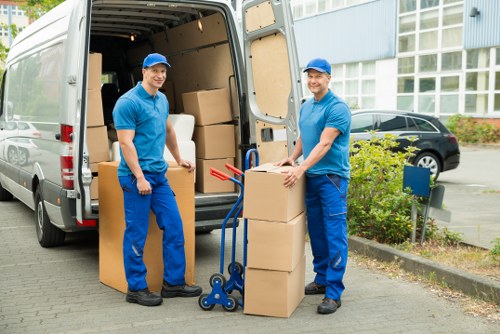 The site also places emphasis on local partnerships with charities, supporting the reuse of items that still have life left in them. Through these relationships, furniture, household goods, office items, and other reusable materials can be diverted from disposal and passed on for community benefit. This reuse-first approach sits comfortably alongside broader recycling initiatives, because every item reused avoids the carbon cost of processing a new replacement. In practical terms, it gives Crossness Storage a role in the circular economy that goes beyond simple disposal, strengthening social value while improving environmental performance.
To support this wider agenda, the Crossness recycling model uses low-carbon vans for local collections and deliveries. These vehicles help reduce emissions on shorter routes, which is particularly important in busy urban areas where stop-start traffic can increase fuel use. By introducing efficient route planning and cleaner vehicles, the operation lowers its transport footprint while still meeting service demands. This commitment to low-emission transport is an essential part of sustainable operations, especially where collection schedules must remain reliable and flexible.
 A successful recycling and sustainability programme depends on accurate sorting at every stage. Crossness Storage supports waste separation practices that align with borough expectations, including the separation of paper and card, plastics, metals, food waste, and general residual waste where appropriate. Light industrial and commercial streams often need additional attention, such as segregating pallets, packaging film, and scrap metal from mixed materials. By maintaining clear categories, the team improves recovery rates and reduces the chance of recyclable material being lost to landfill or energy-from-waste routes unnecessarily.
Another important element of the crossness storage recycling approach is contamination control. Even a small amount of incorrect material can reduce the quality of a whole load, so staff focus on keeping dry recyclables clean and separate from food waste, liquids, and non-recyclable residues. This careful handling is especially relevant when managing materials from premises that generate variable waste, such as retail, office, or refurbishment activity. Better sorting not only supports the 90% target but also helps local transfer stations and reprocessors operate more efficiently.
 In addition to collection and transfer, Crossness Storage recognises the value of material recovery through repair and reuse. Items that are suitable for a second life are identified early, and where possible they are channelled towards charity partners or other reuse outlets before any recycling or disposal decisions are made. This hierarchy of reuse before recycling is a simple but effective way to reduce demand for raw materials. It also reinforces the site’s commitment to responsible resource management, with a practical focus on extending the useful life of goods already in circulation.
Local boroughs often encourage residents and businesses to separate waste by material type, and the Crossness recycling centre approach mirrors that expectation by supporting clearer segregation in storage and transfer. This can include keeping cardboard flat and dry, collecting cans and clean metals separately, and ensuring mixed plastics are not contaminated by non-recyclable packaging. In areas where waste arisings are diverse, such as mixed-use industrial estates and commercial zones, these habits make a measurable difference to recycling performance and reduce pressure on disposal infrastructure.
 Looking ahead, Crossness Storage continues to refine its sustainability measures through better vehicle efficiency, stronger reuse partnerships, and improved sorting standards. The combination of low-carbon vans, local transfer station links, and charity collaboration creates a resilient system that supports both environmental and community goals. With a clear recycling percentage target and a practical approach to day-to-day operations, Crossness Storage demonstrates how recycling services can contribute to a cleaner, lower-carbon future while meeting the needs of the local area.